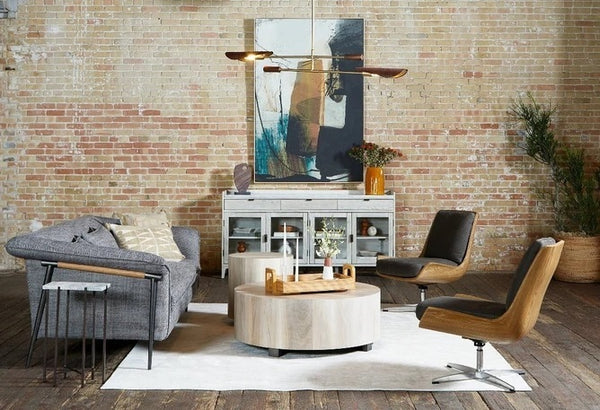
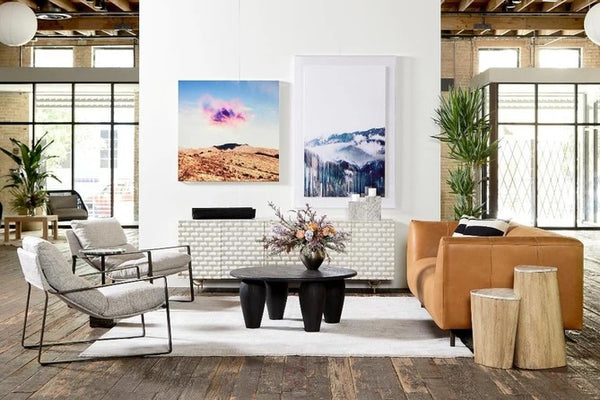
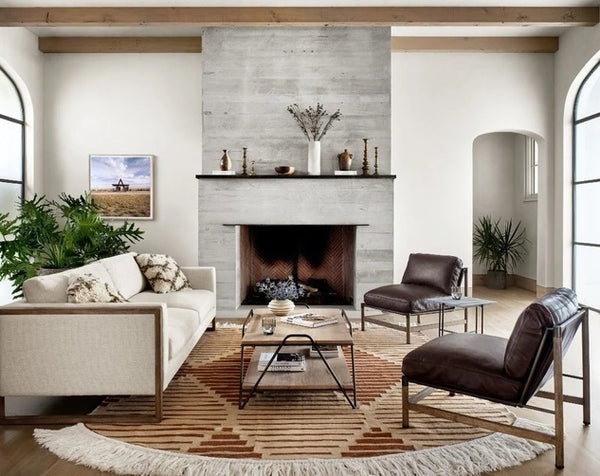
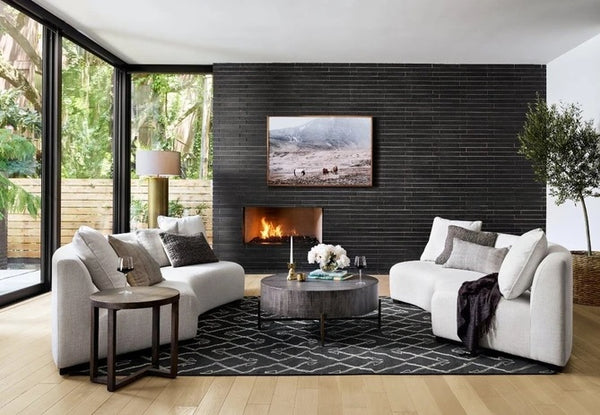
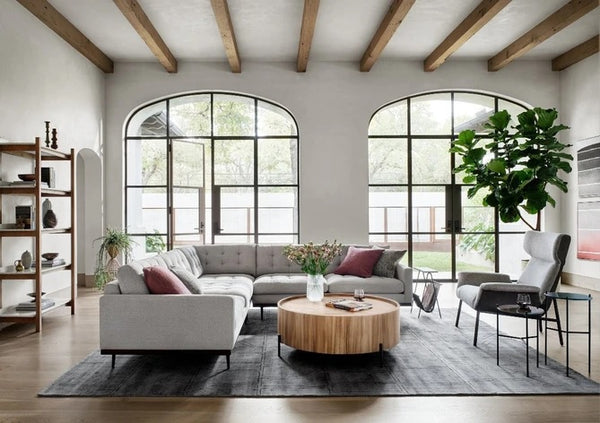
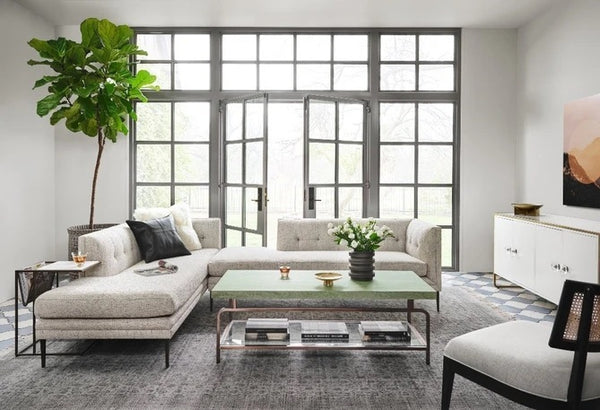
Contemporary means “of the moment” with a strong focus on line and form, and can transform any space into a relaxed, casual space while reflecting some modern sophistication. To know more about what contemporary design really is, and how you can effectively bring this style to your own home, take a look at some of these décor tips that are currently in trend.
Stay Neutral
A neutral color scheme is the ultimate go-to option to create a contemporary look. Use shades of whites, grays, blacks, and tans. Making use of neutrals doesn’t mean your interiors will look boring. You can still incorporate some pop of bold colors as an accent.
Keep It Simple
In contemporary interior design, the main focus is to make a statement without being over-the-top. You can achieve a minimalist style with the right selection of furnishings. One idea is by incorporating some solid colors throughout your interior but the décor shouldn’t look busy. You should also use some textures like jute, wool, silk, and linen fabrics.
Embrace the Quirks
Contemporary isn’t just simplicity but also focus on creativity. You can incorporate some odd features as well in your design scheme. How about embracing some structural elements like exposed plumbing pipes, broken bricks or exposed air ducts, etc.
Use Open Spaces
Wisely use open spaces. If you have a white wall, place one wall accent or a framed picture on it. Similarly, if you have an empty floor corner, place a wing accent chair in that area. How about sprucing up a table with some figurine or sculptural vases? You can achieve a contemporary look only by placing some statement-making objects in the empty home corners.
Play with Shapes
One of the key features of contemporary style is using some sculptural shapes. This can be done in a number of ways like using some curved long sofas, sleek chairs with curved metallic legs, and curved light fixtures. You can use a combination of unique silhouettes and bold shapes that can effectively bring all accent pieces like lighting and furniture together.
Summary:
Contemporary interior design is all about using neutral hues, sleek lines, minimalist spaces and shapes. Yet, there is always a scope of modification. Explore more at Grayson Living – A one-stop online destination for the most eclectic collection of modern furniture pieces and high-end home décor accessories. We, at Grayson Living, are offering custom made furniture, complimentary online e-design services. From fabric sample requests, catalog shipments, CAD designs, to inspirational boards. Our expert interior designers are ready to accommodate any requests virtually.
As summer fades and autumn settles in, it's time to give your living room a warm, cozy makeover. In this guide, we walk you through five simple but impactful updates: planning your refresh before you shop, choosing a fall-inspired color palette (from earthy terracottas to rich jewel tones), anchoring your space with a plush textured rug, swapping pillow covers for tactile bouclé and wool blends, creating a seasonal focal point on your coffee table or mantel, and setting the mood with cozy autumn scents. No full renovation needed — just intentional, layered styling.
Be the first to discover what's new at Grayson Living! In this designer tip, we share how to stay ahead of the curve — from subscribing to email and SMS alerts to bookmarking our New Arrivals menu. Plus, we're excited to announce five stunning new collections just added to the site: Essentials for Living, Wildwood Home, Salt Life Home, Classic Home, and Magnussen Home. Each brand brings its own distinct aesthetic, from coastal breezy to timeless classic — explore them now before your favorites sell out.
A pair of matching nightstands isn't really a design rule. It's a sales decision that turned into a habit no one questions anymore. Furniture stores bundle bed frames with two identical side tables because it's easier to sell that way, not because bedrooms actually require symmetry to work.
That doesn't make matching wrong, not really. Plenty of rooms actually look better for it. But treating nightstands vs. bedside tables as an either-or question misses the actual point, which is what each side of your bed needs, not what comes packaged together at checkout.
The Case for Matching, and Where It Actually Holds Up
Symmetry changes the way a bedroom feels. Two identical lamps on two identical nightstands give the eye a natural place to settle and create a sense of balance.
In a primary bedroom shared by two people, matching furniture also solves a practical problem. Both sides end up with the same amount of storage and surface space, so no one is left wishing they had the larger nightstand or the extra drawer.
That's probably the strongest case for matching. The visual balance is a bonus, but the real advantage is that both people use the space in exactly the same way.
Why the Match Doesn't Always Make Sense?
See, a bed pushed against a wall only needs one nightstand, not two. Buying a full matching pair here just means paying for a piece that never gets used. Guest rooms run into the same problem, tight on space; one side of the bed sometimes doesn't need furniture at all.
Height causes trouble too, and it's the kind of detail that gets overlooked until everything is already in place. A “matching” set sold with a particular bed frame isn't guaranteed to sit at the right height beside your own mattress. Comparing the nightstand's dimensions with your bed is far more useful than assuming a matching set will automatically fit.
There's also a simpler reason people move away from matching. A room where every surface mirrors the one across from it can feel a little too formal or hotel-like. Some people want that. Others prefer a bedroom that feels a little more relaxed and lived in.
Breaking the Rules with Mixed Pieces
Sometimes a room needs a bit of unexpected energy. In modern interior design using different pieces on each side of the bed is common practice now; it gives the space a collected, personal feel. The trick is making sure the two pieces share at least one common trait. Maybe they are both constructed from dark walnut or perhaps they share identical brass hardware.
Height is of immense importance here as well. A table sitting much higher on one side makes the whole room look slightly crooked. When looking at nightstands or bedside table options to mix, keep the scale similar. A massive wooden chest looks odd sitting directly across from a small, delicate glass side table. The visual weight needs to stay roughly even, even when the pieces themselves are different.
Letting Each Side of the Bed Decide
A bedside table or nightstand pairing really comes down to habits, not aesthetics. One side of the bed loaded up with books, a charger, glasses, and a lamp needs drawers to keep from turning into clutter. The other side, if it only holds a lamp and a water glass, doesn't need that bulk at all.
Buying separately instead of as a locked set solves this directly. Each side gets sized to what actually happens there, instead of both sides getting the same footprint because that's how the set was boxed.
Deciding for Your Own Room
Measure both sides of the bed before deciding anything else. Note what each side is actually used for. Then decide how much visual symmetry matters personally, because that's a preference, not a rule someone else gets to set for your bedroom.
Grayson Living carries nightstands and bedside tables across a wide range of finishes and sizes, useful whether you're building a matching pair or putting together a combination suited to how your bedroom actually functions. Reach out to the team for help finding pieces that work well side by side, matched or not.
FAQs
Do nightstands and bedside tables have to match?
No. A matching pair creates symmetry, but mixed pieces work well too, as long as they share a common finish, wood tone, or hardware detail.
Can I use two different heights for nightstands on each side of the bed?
Keep the heights close, within an inch or two if possible, so the tops of both pieces line up across the bed.
Is it cheaper to buy nightstands separately instead of as a set?
Not always, but buying separately lets each side get furniture sized to what it actually needs, which sometimes ends up saving money.
What if I only need one nightstand instead of a pair?
That's common with beds against a wall or in smaller rooms. A single nightstand or bedside table works fine without needing a full matching set.