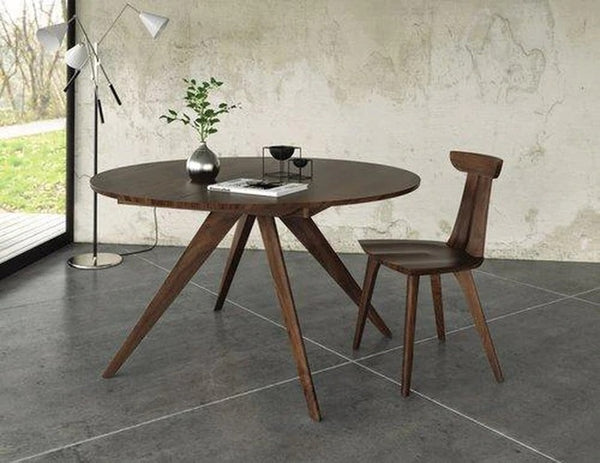
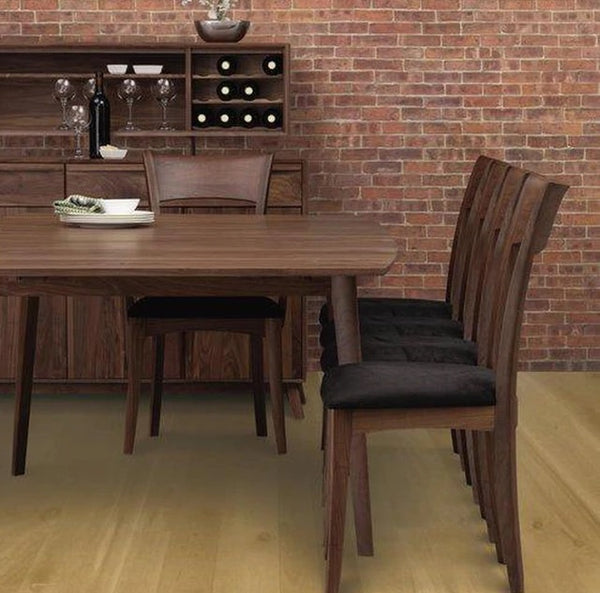
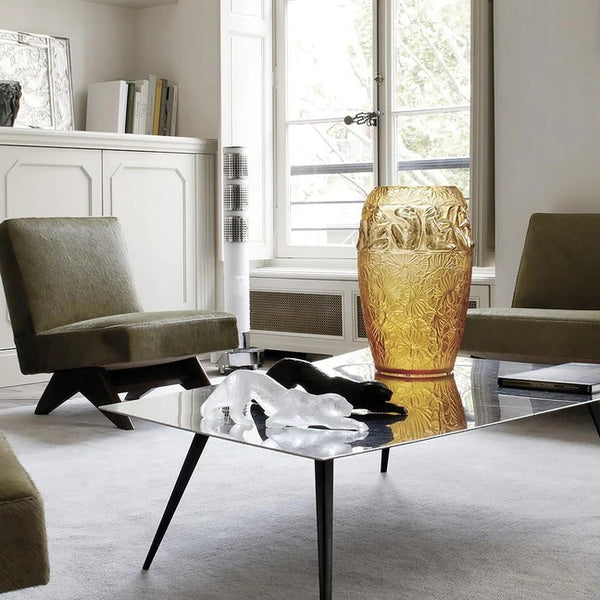
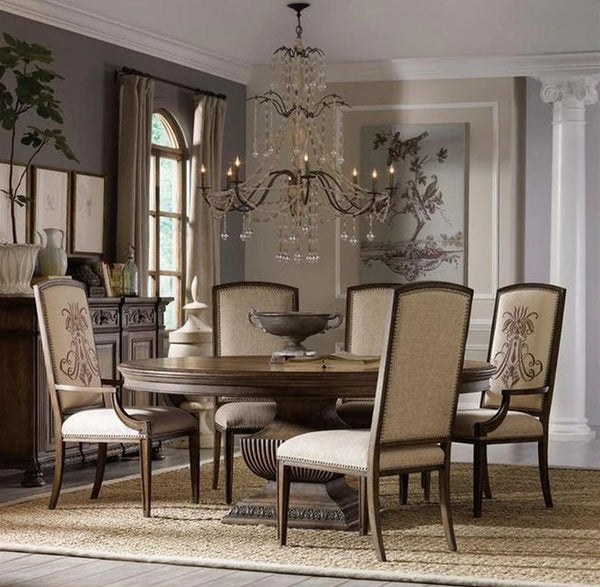
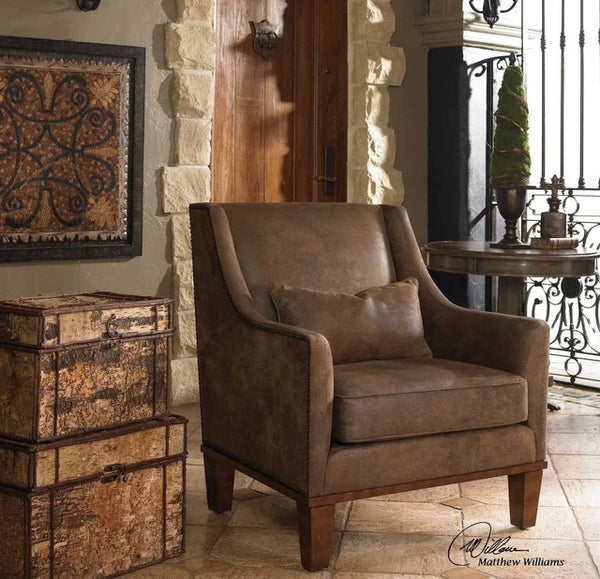
It is always best to keep things natural. There are interior designers who are always searching for eco-friendly products that can be used to make furniture. There are various design styles that can make for beautiful decorative spaces just by using natural materials. Wood is one of the popular choices which can add to your aesthetics. As wood is a sustainable choice, it is also easy to repurpose the type of material. There are also different interior designs that are perfect for usage and can be refurbished after a certain period of time.
Not sure how to go about it? Here are a few ways to use natural material in your interior design:
Eco-Friendly Interiors
If you want to use sustainable furniture for your space, there are various ways to go about it. Although fabrics such as cotton, linen, etc. are sustainable in nature given they are constructed from sustainable fibers, there are other items such as plastic that can be avoided. You can instead use materials that can be decomposed easily and/or emit less carbon footprint.
You can also choose glass instead of plastic as it reduces the amount of plastic waste after use. As natural home décor is trending, glass, ceramic, or wooden vases instead of plastic, as well as ceramic and earthen planters instead of plastic ones, are a few examples through which you can make significant changes. It also accentuates your home décor process.
This category of furniture is one of the most favored ones out of all. You can create beautiful pieces using wood and resin. If you want to use more such eco-friendly elements, it is best to make less use of furniture that is harmful to the environment, mainly: plastic, furniture with coating, varnish, as well as harmful adhesives.
Leather is a tricky furniture type as it undergoes both eco-friendly way of treatment as well as non-eco-friendly way of treatment. It requires us to keep track of the finished leather products which might contain a high level of chemicals. When genuine leather is tanned naturally, it becomes eco-friendly in nature.
Find sofas, tables, and other furniture accessories that make your living space décor complete with the flair of style and elegance. You can choose from a range of accessories, including area rugs, dressers, tables, stools, and much more. For more furniture accessories, including tabletop, rugs as well as lighting solutions, head to https://www.graysonliving.com/. We, at Grayson Living, cater to all your requests, from fabric samples, catalog shipments, CAD designs, to inspirational boards. Our designers are always ready to accommodate any requests virtually.

Most people get this wrong before they even start shopping. They find a table they love, buy it, then figure out the seating. By then, they're locked into a size, a height, a budget, and they end up settling. Do it the other way. Know what you're seating people on before the table comes home.
The height rule
Every outdoor seating mistake traces back to height. Not style, not material, and certainly not height.
Standard dining tables (the ones most people own) sit around 28 to 30 inches. So, your seat needs to land somewhere between 17 and 19 inches to feel right at that surface.
If the seat is too low, you'll feel like you're reaching up for your food; too high, and your knees will hit the table's apron, making it uncomfortable.
Bar-height tables run 40 to 42 inches. Counter-height sits around 34 to 36. Those surfaces need completely different seating. A dining chair at a bar-height table puts your chin at table level. A barstool at a standard dining table will have you perched like you're waiting for a bus.
If you get this wrong, no amount of good design will save the setup. But if you get it right, almost anything works.
Outdoor dining chairs: what they actually do well
The best argument for dining chairs outdoors isn't comfort or looks. It's a movement. When thinking about outdoor dining chairs vs benches, this distinction is important.
Picture eight people at the table, and a couple of them keep getting up, grabbing something, topping up a drink, or like checking on a kid. With chairs, it’s easy. You just pull back, stand, and you’re out. No one else has to shuffle or make space, and the meal carries on without interruption.
That sounds like a small thing until you've eaten at a bench where you're sitting in the middle. Not a good experience, take our word for it.
The other thing chairs do well: they keep people at a consistent distance from the table. A bench lets guests spread out unevenly. One person sits too far left, another too close to the edge. With individual chairs, everyone plants in front of their own setting and stays there.
One detail most buying guides skip entirely: arm height. Outdoor dining chairs with arms look great. But if the arms don't clear the table apron (that structural lip running under the tabletop), guests end up sitting four to six inches further back than they should. Check arm height against apron clearance before buying any armed chair for an outdoor table. It's a genuinely common mismatch.
Outdoor benches: honest assessment
Benches earn their place in two situations: you're seating more people than chairs allow, or your patio doesn't have room to pull chairs back without blocking traffic.
A bench along one long side of a six-person table adds one to two more guests without adding furniture. That's a real advantage. And a backless bench slides fully under the table when dinner's over… which opens the patio back up in a way stacked chairs never quite do.
Benches do have their limits, and most people realize that a bit late. Comfort is the big one. Sit on a backless bench for half an hour outdoors, especially on an uneven patio in the sun, and people start shifting around pretty quickly.
Adding a backrest helps, no doubt, but then you lose that slim, space-saving design that made the bench appealing in the first place.
Shared movement is the other tradeoff. The person sitting in the middle of a bench will not be able to get up without a whole production. It’s probably fine for family dinners where everyone knows each other. But it gets noticeably awkward at a dinner party when two people need to leave and return at different times.
One approach that works particularly well in practice: a bench on one long side and chairs on the other and at the ends. The bench side seats more and slides away. The chair side gives guests the option to move freely. The host and co-host take the chair ends. It's a layout a lot of designers default to for exactly these reasons.
Outdoor barstools: specific tool, specific job
The question of outdoor benches vs. barstools really comes down to what kind of experience you're after… casual dining or a more social, standing-friendly setup.
Barstools outdoors work when, and genuinely only when, the surface is right for them.
Bar-height tables at 40 to 42 inches, a built-in outdoor counter, and a raised deck ledge used as a serving surface—those setups are where barstools belong and where they actually improve the experience. The height creates a different social dynamic than a dining table does. People standing nearby are closer to eye level with people seated. Conversations move more naturally, and the space feels less like a meal setup and more like a gathering.
What barstools struggle with outdoors specifically is stability. Outdoor floors are almost never perfectly level. Patio stone shifts, composite decking has gaps, and gravel moves. A barstool on an imperfect surface rocks and wobbles in a way that a wider-based dining chair doesn't. Four-legged barstools with substantial bases outperform pedestal stools outdoors for this reason. Swivel mechanisms, popular indoors, add instability on uneven ground. Worth skipping for an outdoor setup unless the surface is completely flat.
Footrests matter more outdoors than indoors, too. Inside, you tend to sit at a bar for shorter stretches. Outside, a meal runs longer and legs dangle without support faster than people expect. A well-positioned footrest rail isn't a luxury on an outdoor bar stool—it's what makes the stool usable past the first 20 minutes.
For families with younger kids: the drop from a barstool seat to the ground is 28 to 30 inches. That's a real fall risk for small children. A lot of households with kids under eight hold off on bar-height outdoor setups entirely until it's practical.
Conclusion
There isn't a universal winner here. And that's not a cop-out… It's just how outdoor spaces work. Whether you're weighing outdoor barstools vs. benches or any other combination, the right answer always depends on your space and how you use it.
If you value comfort and structure, chairs make absolute sense.
If you need flexibility and extra seating, benches do the job.
If your outdoor space is used more for entertaining than dining, go with barstools… they will fit right in.
But here’s a more useful way to think about it:
Choose chairs if meals are the focus
Choose benches if space is limited or groups are larger
Choose barstools if the setup is more social than formal
And if you’re still unsure, start with a mix. Live with it for a while. Adjust as you go. Most people don’t get it perfect on the first try and that’s completely fine.
FAQs
Can outdoor dining chairs and benches be used at the same table?
Yes, and it works well. A bench on one side with chairs on the other will keep things flexible.
Do barstools work on uneven patio surfaces?
Only some do. Wide, four-legged stools are usually fine. Swivel ones can feel a bit unstable.
How do you know if a bench will be comfortable long-term?
If there’s no back support, it won’t be great for long meals. Cushions help… but only to a point.
Are barstools safe for kids?
Not really ideal. The height alone makes them tricky for younger kids to use safely.
The question isn't really which one is better. It never was.
Walk into almost any living room that feels genuinely good at night, not staged, not catalog-perfect, just actually nice to be in, and you'll usually find both. Not because the person who decorated it was following some layered lighting rule they read online. More because the room had a few problems, and different lamps solved different ones.
So, before getting into the table lamp vs. floor lamp debate, the more useful question is, what's actually wrong with the room right now?
When the room has no surface to spare
Floor lamps exist partly because actual living rooms run out of flat surfaces after a couple of big additions. And the end table already has a drink on it, a remote, and maybe a phone charger. Or there's no end table at all; you just have an armchair floating in a corner that needs light but has nowhere to put anything.
That's the floor lamp's strongest argument. It doesn't need to borrow real estate. It shows up, plugs in, and handles itself. Arc styles in particular can swing over a seating area from a base tucked behind furniture—the whole lamp fits in about a square foot of floor space while its light covers a much bigger zone. For anyone in a smaller apartment, or anyone who just doesn't want more stuff on every horizontal surface, that’s the perfect option.
Table lamps are more dependent. They need something to sit on that's the right height, in the right spot, with an outlet close enough to not create a cord situation across the floor. When all those conditions are met, they're great. When they're not, you end up with a lamp on the wrong table in the wrong corner, which is only slightly better than no lamp at all.
When the room needs something that reads as furniture
Here's the thing about floor lamp or table lamp decisions that doesn't come up enough: a floor lamp is a vertical object. It occupies a height. In a room that's heavy with horizontal lines, long low furniture, wide windows, and flat surfaces everywhere, a floor lamp introduces a different kind of visual structure. It breaks up the sameness in a way that a lamp sitting on a table just doesn't.
A table lamp adds warmth and detail. A floor lamp adds presence. Both are equally important, but they're doing genuinely different things for the room.
If the living room feels a little flat and you can't quite figure out why and everything is roughly the same height, a sofa, coffee table, side table, TV stand, and a tall floor lamp in an empty corner or behind a chair can fix that without any major changes. The room just needs something vertical, and a floor lamp is one of the easier ways to get it.
When reading is actually the point
This is where the honest answer gets a little less clean. People default to table lamps for task lighting because of the association with bedside reading lamps. But in a living room, depending on where you actually sit, a floor lamp with a directed head can do the job better.
A lamp on a side table throws light in a fairly fixed radius. If you're sitting exactly next to it, fine. Shift a few feet down the seating, or have someone else in the room who also wants to read, and it gets complicated. If you get an adjustable floor lamp (the pharmacy style) or a swing-arm standing model, you will be able to point the light precisely where you need it, and it can also reach across more of the seating area, so you won’t have to rearrange the furniture to chase the light.
That said, for a dedicated reading chair, a table lamp on a small side table at the right height is still hard to beat. It’s low, it’s close, and it’s directional. Nothing elaborate is required.
The surface space question cuts both ways
A floor lamp needs floor space. In tight rooms, that base is something people trip over, bump into, kick during a movie, and if there are kids or dogs involved, a floor lamp in a high-traffic area is a minor ongoing hazard. Table lamps don't have that problem. They're elevated, out of the way, stable on a flat surface.
A small room with pets or kids, and you're deciding between a table lamp or a floor lamp; which is better for your situation? Table lamp, probably. Fewer things to knock over. The cord is shorter and easier to manage. And if the table is sturdy, the lamp isn't going anywhere.
What style actually needs
Both can be statement pieces. A sculptural ceramic table lamp on a console can carry a room the way a piece of art does; even switched off, it still looks like something. A well-chosen arc floor lamp in brushed brass does the same thing at a larger scale.
The mistake is treating either one as a purely functional decision. Lamps are visible. They're on when the room is being used. The base, the shade, the proportions — that's all part of how the room looks after dark, which is honestly when most people are actually in it.
One underrated move: go for warmth in the bulb regardless of which type you pick. 2700K to 3000K. Warm white. Anything cooler, and you've put work into the lamp choice, only to have it make the room feel like a waiting room after 8 pm.
Using both, which is what most rooms actually need
The answer for most living rooms isn't choosing between them. A designer table lamp handles the surfaces, adds intimacy near seating, and grounds the smaller zones of the room. A floor lamp fills the corners, adds height, and covers the areas where there's no furniture to put anything on.
They're not competing. They're doing different parts of the same job.
Explore the full range at Grayson Living's table lamp collection when you're ready to narrow it down—sometimes seeing the options side by side makes the decision a lot faster than thinking about it in the abstract.
Conclusion
Stop treating this like a competition. Your room probably needs both—just not at the same time and not in the same spots. Figure out what's dark, what's cluttered, what's missing height, and what needs to feel more lived-in after sunset. The lamp that answers that question is the right one. Sometimes it stands on the floor. Sometimes it sits on a table. Most of the time, honestly, it's both.
FAQs
Can a floor lamp fully replace a table lamp?
Not really—the light reaches, but the warmth a table lamp adds right next to a seat is a different thing entirely.
For a small living room, which one is better: table lamp or floor lamp?
Table lamp. A floor lamp base in a tight space is just something you'll kick every other night.
Do they have to match?
Nope, just make sure they're not fighting each other—the same shade color or metal finish usually does the trick.
Floor lamp or Table lamp, which one's actually better for reading?
An adjustable floor lamp covers more ground, but if you've got a good chair with a side table right there, a table lamp is plenty.
The kitchen island stool is often the most underestimated element of interior design. Beyond just a seat, the right stool balances precise ergonomics with high-end aesthetics to redefine your home’s most social space. From calculating the "magic number" for legroom to selecting stain-resistant performance velvets and top-grain leathers, this guide explores how to choose luxury counter stools that offer both sculptural beauty and daily durability.